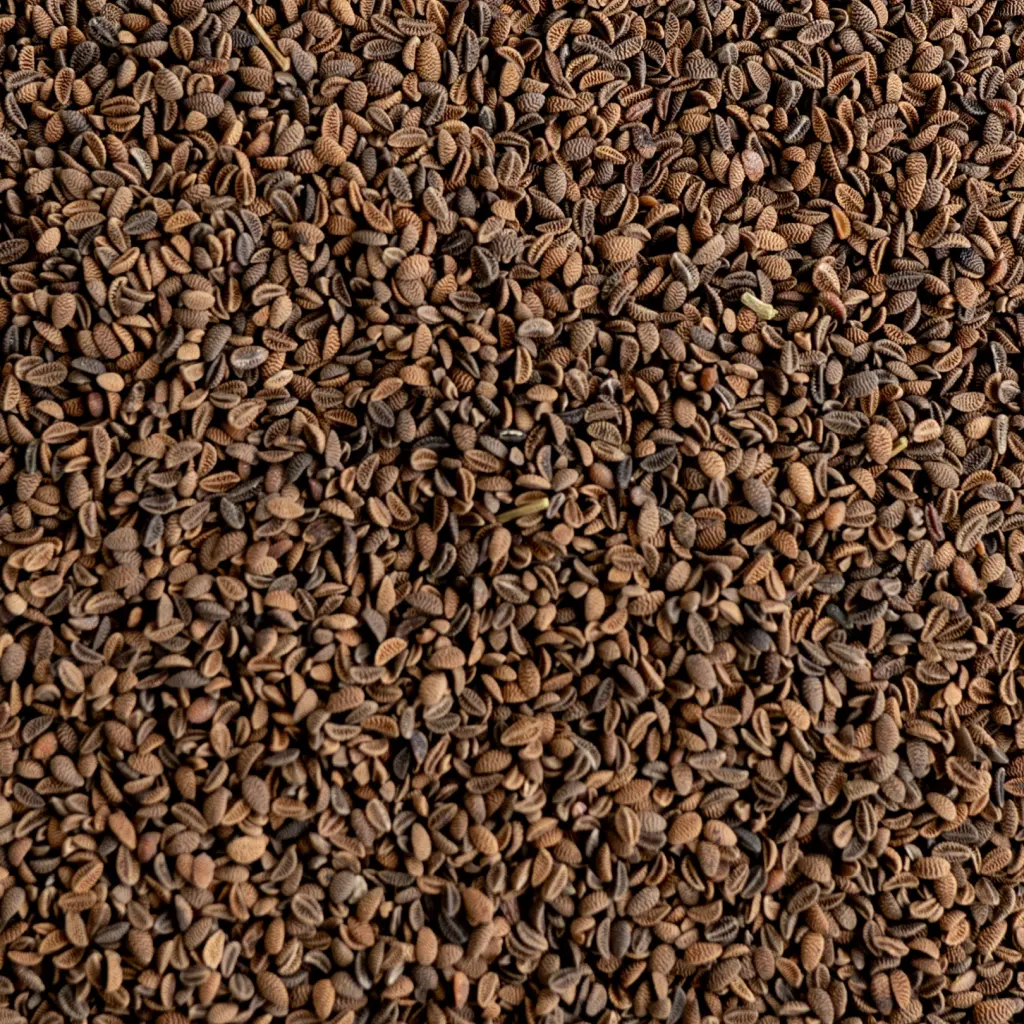
Phacelia (Phacelia tanacetifolia) is one of the most versatile non-legume cover crops, producing rapid ground cover, a fibrous root system and abundant biomass. Because it belongs to a plant family rarely represented among European cash crops, it is particularly useful for increasing rotation diversity. Its flowers are highly attractive to bees, hoverflies and other beneficial insects. Phacelia is frost-sensitive, making winter termination relatively easy in colder continental climates.
From2,20 €
Living soil cover
Foliage covers the soil surface.
Flowering food source
Flowers provide food for pollinators.
More diverse rotation
Can add another plant family to rotations.
What is in the pack?
Seeds of Phacelia tanacetifolia. Available pack sizes: 100 g, 250 g, 500 g, 750 g.
How and when should you use it?
Sow in spring or after harvest when moisture supports germination. Allow flowering for pollinators, while planning termination before the following crop. Use the seed lot guide to confirm sowing depth and seed rate.
Delivery and support
You receive the product in your selected pack size. Check the packaging and label on arrival, and follow its storage and use instructions. General background: https://biomenation.com/knowledge-base/
Typical sowing window: March–September; ideally at least 6–8 weeks of growth before hard frost
Sowing depth: 1–2 cm
Approx. pure-stand seed rate: 6–12 kg/ha
Root system: Dense, finely branched root system
Winter behaviour: Usually frost-killed
Phacelia is botanically unrelated to the major European cereal, legume and brassica crops. This makes it useful for adding rotation diversity, although crop-specific pest and disease relationships should still be considered.
It establishes quickly and develops a dense root network that supports aggregate formation and nutrient cycling. Above ground, rapid canopy closure protects the soil and competes with weeds. Flowering stands are among the most attractive cover crops for bees and beneficial insects.
Its small seed requires shallow, accurate placement. Phacelia is sensitive to severe frost, so autumn stands often terminate naturally during winter, leaving a relatively manageable residue for spring establishment.
Why it works
Soil cover and flowers for life.
01
Living soil cover
Flowering plants provide additional food resources for pollinating insects visiting fields.
02
Flowering food source
Flowering plants provide additional food resources for pollinating insects visiting fields.
03
More diverse rotation
Its less commonly cropped plant family can diversify existing crop rotations.
Built for the whole system
BioHealth Humic acid with beneficial bacteria
Phacelia can contribute living roots and plant residues. BioHealth Humic acid with beneficial bacteria offers a humic and bacterial supplement to consider where the label and site needs justify it.